Organic Garden Design - Easy to Follow How-Tos

0 Comments
Join the Conversation
Well Composted Garden with Soaker Hose Watering - Gary de Casmaker
Design your garden to take advantage of nature. Incorporate organic sustainable features for long term success. Plan it now for spring.

Your garden is a growing natural place. Why not make sure that the layout takes advantage of nature and incorporates features that make growing organically easier.

Basic Design

The first consideration is the way that your garden works with your local environment. Do you live in a very hot climate or one with a very short summer? In either case you need to think about your climate and the use you make of sun in your garden. This article focuses on the North American temperate zone – so that is most of Canada and the US, excluding the extremes of deserts and the always frozen north.. If you refer to either a plant hardiness zone map for Canada, or the U.S. that would be zones 2 through 8. It is very important to know which zone you are in.

Basic Components for Organic Design

Essential components for organic garden design are a compost bin or pile and the consideration of water features. If you have a large yard or a hidden spot you can compost by simply creating a pile of 'green' waste and turning it frequently. Many people prefer the look of a compost bin over a compost pile. You can either purchase a dark plastic one or make one out of wood. Old wooden pallets will create a fine compost bin. Just build a box-like shape, being sure to leave access at the front to turn the compost and take out finished compost for your garden.

Another important consideration are water features. No one has the perfect environment, especially for growing food. Vegetables need a certain amount of water in order to produce. Too little, or too much and the plants will either produce nothing or die.

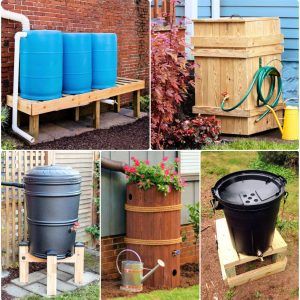
If you are in a very dry area or have dry months in your season, consider the addition of water barrels to collect water from your eaves. Many cities limit water consumption in the summer so having your own supply will help get you through the dry months. The best way to water is right at ground level in the early morning or in the evening so consider soaker hoses or a trickle watering system. Garden centres will carry both. A good mulch will also help with water retention. Black plastic or wood chips both work well. If you have access to hay from a farmer it is an excellent mulch since you can simply turn it into the soil in the fall.

If your season tends to be too wet, then some of your vegetables will require protection from rain. A simple lean to with a plastic 'roof' will do the trick. That way you can provide water only when needed.

Vegetable Gardening

If your climate is very hot, and you want to grow food, then ensure that part of your vegetable garden is in the sun, and that part of it gets shade for the hottest part of the day. This semi-shady area is where you should grow greens such as lettuce, summer spinach, and herbs. In the sun, grow your fruiting vegetables such as tomatoes, melons, cucumbers and peppers.

If your season is very short you will want most of your vegetable garden to get full sun to maximize the heat your plants receive.


When you buy seeds or plants find out the number of days to maturity for the plant and variety you are growing. Seeds should have this information in the seed catalogue or on the seed pack. The garden centre should know this information for any plants they sell. If you are not sure how long your growing season is in days, just calculate from your last and first frost dates. This is information a local garden centre will have.

Ornamental Plants in the Garden

When selecting ornamental plants (flowers, shrubs and trees) for your environment, consider limiting the varieties to those that do well in your area. The more you import, the more dedicated care you must be prepared to give. This is where your hardiness zone is very important. Perennial flowers, shrubs and trees all are rated by zone. If a shrub is rated as hardy to zone 5, for example, it will do well in zone 5 and any zone that has a warmer climate (zones 6, 7, and 8). It will likely die in a zone 4 climate unless you take very special care to protect it. Again this information is on seed packs or in seed catalogues for flowers and should be on the label of all shrubs or trees you buy.

In general, if they grow well in your zone, there are ornamental plants that do better in dry areas and others that will flourish in wetter areas. In dry sunny areas of your garden, grow Portulaca, Giallardia, Lavender, Thyme, Yarrow, Daylily, Echinacea, Castor Bean, Cosmos, Osteospermum and Bachelor Buttons. For shrubs and trees you can choose from such plants as Russian Olive, Lilac, Ninebark, Ash, Chokecherry, Sea Buckthorn, Honeysuckle and the Shrub Roses.

If you have spots in your garden that are frequently wet, then consider ferns, Morning Glory, Snapdragons, Astilbe, Canna, Bergenia, Bleeding Heart, Lady's Mantle or Gunnera. Trees and shrubs that withstand wet conditions include Ninebark, Currant, Dogwoods, Alders, Birch, White or Black Spruce and Balsam Fir.

A little on-line research will give you options to fill your garden with colour and texture with minimal upkeep. Take your list of plants with you to the garden centre so that you are not tempted by plants that are pretty but just not suited for your situation.

Organic Upkeep of Your Garden

Mulching is a good organic way to retain moisture and reduce weeds. Wood chips used as a mulch will also deter slugs.

Each spring and fall take some of the compost you have created and work it directly into your garden beds. It can be layered onto your vegetable garden with peat moss for water retention and dug in. It can also be directly dug in around the edges of perennials, shrubs and trees.

In the fall take all leaves, spent flowers and other organic matter from your garden and add it to the compost pile. If you have a lot of grass clippings or leaves at one time, layer them with a little soil so that they do not compact.

A simple way to cut down on plant disease is to ensure that there is adequate air-flow around the plants. Don't plant tomatoes or other vegetables too close together. Never water their leaves.

Perennials also need space, especially those susceptible to leaf fungus such as roses or peonies. If you do get black spot even with good spacing clip off all damaged leaves (do not compost them) and spray the leaves with an infusion of cinnamon in rubbing alcohol.

Remember that compost will feed your garden more naturally and more evenly over time than chemical fertilizers will. It is also the great 'evener' of PH – tending to neutralize the PH in your garden. Most plants are happier if the PH is closer to neutral.

A healthy garden will also fight off pests better than one that is stressed from over/under-watering or through lack of nutrients. Many pests can be overcome by simply picking them off by hand to keep the population at a minimum or by spraying susceptible plants with a weak mix of water and organic dish soap.

Keep deer from your roses by spraying with a mix of 1 egg to two litres of water. Keep it in the fridge or it will get pretty nasty !!

Working in the Greenhouse, Gary de Casmaker

Ellen de Casmaker - Co-owner of garden centre and seed business www.eternalseed.ca

rss
Advertisement
Leave a comment

NOTE: Because you are not a Suite101 member, your comment will be moderated before it is viewable.
Submit
What is 6+9?
Advertisement
Advertisement